

 See My Latest Article on HelloNation
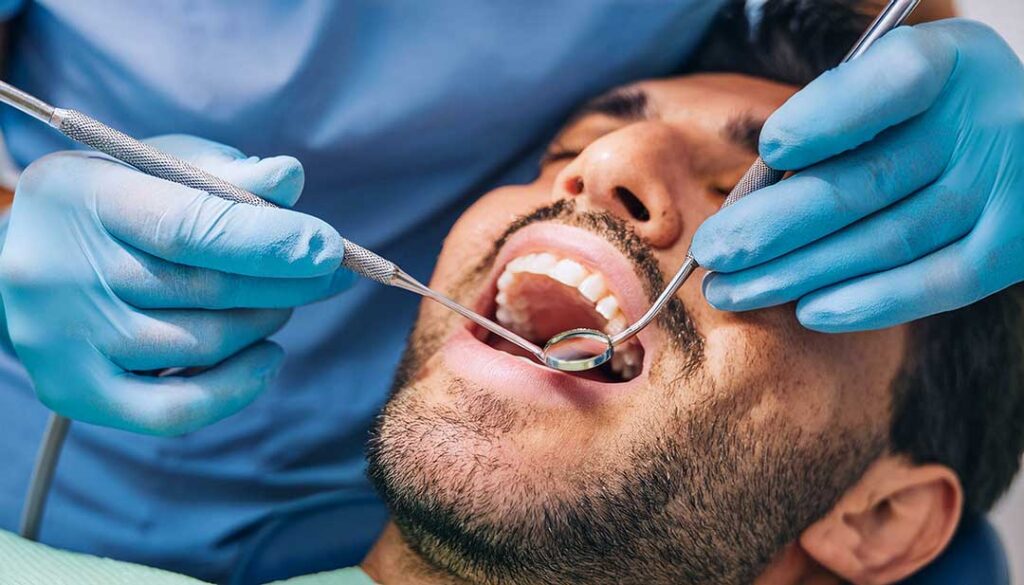
Healthy teeth depend on more than brushing. The foods and drinks chosen throughout the day affect how often teeth are exposed to sugar and acid, how much saliva is available to protect enamel, and whether the body receives nutrients needed for strong teeth and gums.
For residents of Norton Shores, MI, practical choices often include water, balanced meals, calcium-rich foods, fresh produce, and snacks that are less sticky and sugary. No single food prevents cavities, but everyday eating patterns can lower risk.
What foods are generally best for healthy teeth?
The most tooth-friendly foods are usually low in added sugar, rich in nutrients, and less likely to remain on the teeth. Helpful choices include:
- Plain water, especially between meals
- Milk or unsweetened calcium-fortified alternatives
- Cheese and plain yogurt
- Fresh vegetables
- Whole fruits in reasonable portions
- Beans, eggs, fish, nuts, and other protein-rich foods
- Leafy greens and other calcium-containing vegetables
These foods support overall nutrition while reducing the repeated sugar and acid exposures that contribute to tooth decay and enamel erosion. Dental decay develops when bacteria in plaque use sugars and starches to produce acids that remove minerals from enamel. Frequent exposure gives teeth less time to recover through saliva and fluoride. ([ada.org](https://www.ada.org/resources/ada-library/oral-health-topics/nutrition-and-oral-health?utm_source=openai))
Why is water one of the best choices for teeth?
Water helps rinse food particles and dilute acids without adding sugar. It also supports saliva, which naturally helps neutralize acids and return minerals to enamel.
Tap water may provide fluoride, depending on the local water source and household circumstances. Fluoride helps strengthen enamel and reduce the risk of tooth decay, so water can contribute to oral health in more than one way. People who rely on private wells, filtered water, or bottled water may want to check whether fluoride is present rather than assuming it is. ([ada.org](https://www.ada.org/resources/community-initiatives/fluoride-in-water?utm_source=openai))
Water is especially useful during long days, outdoor activities, and seasonal changes when people may reach for sweetened coffee, sports drinks, or soda. Keeping a refillable bottle available can make unsweetened water the easier default.
How do dairy and calcium-rich foods help?
Calcium is a major mineral in tooth enamel. Foods such as milk, cheese, and plain yogurt provide calcium and other nutrients that support teeth and bones. Cheese may also stimulate saliva and help buffer acids after a meal.
People who avoid dairy can choose calcium-fortified plant beverages, calcium-set tofu, beans, leafy greens, almonds, or certain fish. Fortified products should be checked for their nutrition information because calcium content varies. Some sweetened alternatives may contain enough sugar to offset part of their dental advantage. ([mouthhealthy.org](https://www.mouthhealthy.org/nutrition/non-dairy-calcium-rich-foods-and-beverages-for-your-teeth?utm_source=openai))
A practical snack might be plain yogurt with nuts, cheese with vegetables, or beans added to a meal. These options are generally more tooth-friendly than frequent grazing on candy, cookies, or sweetened drinks.
Are crunchy fruits and vegetables good for teeth?
Firm vegetables such as carrots, celery, and bell peppers can be useful snack choices because they contain water and fiber and require chewing. Chewing increases saliva flow, which helps clear food and moderate acids.
Apples and other whole fruits can fit into a healthy diet as well. Whole fruit is usually a better choice for teeth than juice because it contains fiber and is consumed more slowly as a food rather than sipped repeatedly. However, fruit still contains natural sugars and some fruits are acidic, so constant snacking on fruit throughout the day is not ideal for people at high risk of cavities or enamel erosion.
Crunchy foods should not be treated as a substitute for brushing and cleaning between teeth. Small pieces can still become trapped, particularly around crowded teeth, fillings, orthodontic appliances, or areas of gum recession.
Which foods and drinks are harder on teeth?
Sugary and acidic items create the greatest concern, especially when consumed often or slowly over many hours. Examples include:
- Soda, energy drinks, sports drinks, and sweetened iced tea
- Fruit juice and frequent juice sipping
- Sticky candy, caramel, gummies, and dried fruit
- Sweetened coffee drinks
- Sour candies and acidic beverages
- Crackers, chips, and refined breads that cling to teeth
- Frequent desserts or sweet snacks between meals

The frequency of exposure matters. A sweet drink finished with a meal is generally less disruptive than sipping it throughout the afternoon because repeated exposures create repeated acid attacks. Sticky foods can also remain in grooves and between teeth longer than foods that are quickly swallowed. ([ada.org](https://www.ada.org/resources/ada-library/oral-health-topics/nutrition-and-oral-health?utm_source=openai))
“Sugar-free” does not always mean “non-acidic.” Diet soda and some flavored sparkling drinks may contain little or no sugar but can still expose enamel to dietary acids. Water remains the simplest choice between meals.
What should someone do after eating acidic foods?
After acidic drinks or foods, rinse with water instead of brushing immediately. Brushing right away may be uncomfortable for softened enamel; waiting gives saliva time to help restore the mouth’s normal environment. The American Dental Association also notes that milk or cheese may help buffer acids, while sugar-free gum can increase saliva flow. ([ada.org](https://www.ada.org/resources/ada-library/oral-health-topics/dental-erosion?utm_source=openai))
Avoid holding acidic drinks in the mouth, swishing them around, or taking small sips for an extended period. If an acidic beverage is consumed, finishing it rather than nursing it over hours reduces the duration of exposure.
Are snacks between meals harmful?
Snacking itself is not automatically harmful. The bigger concerns are what the snack contains, how often it is eaten, and whether it is accompanied by water.
Better options include:
- Cheese with sliced vegetables
- Unsalted nuts
- Plain yogurt
- Fresh fruit with a meal
- Hummus with vegetables
- Hard-boiled eggs
- Leftovers containing vegetables, beans, or lean protein
For children, packing a balanced snack can reduce reliance on sticky sweets and sweetened beverages during school, sports, or outdoor activities. For adults, keeping nourishing options available at home or work may make frequent vending-machine snacks less likely.
Can good food choices replace brushing and fluoride?
No. Diet supports oral health but does not replace brushing twice daily with fluoride toothpaste, cleaning between teeth, and regular dental care. Food choices are most helpful when combined with those habits.
A person with dry mouth, frequent cavities, enamel erosion, diabetes, reflux, braces, or gum recession may need more individualized dietary guidance. Persistent sensitivity, tooth pain, bleeding gums, or visible changes should not be managed through food alone because those symptoms can indicate a condition requiring evaluation.
For most households, the practical pattern is straightforward: choose water most often, include calcium-rich and nutrient-dense foods, eat sweets with meals rather than continuously, limit acidic drinks, and give teeth breaks between eating occasions.